The Due Diligence Fee: What Pitt County Buyers Should Know


In this post
When you make an offer on a home in North Carolina, you’ll see two numbers in the contract that do completely different things. The earnest money deposit and the due diligence fee look similar on paper — both are cash you put up at offer — but they serve different purposes, and confusing them can cost you.
Here’s what a first-time buyer in Pitt County actually needs to understand.
What the Due Diligence Fee Actually Buys You
The due diligence fee is a payment made directly to the seller — typically $500 to $2,500 on a $200,000 to $350,000 home in Greenville or Winterville — that buys you an exclusive window of time. During that period, you can have the property inspected, review the HOA documents, check flood zone status on the Tar River or in the eastern county floodplains, confirm financing, and make sure this is the right house. If, for any reason, you decide it’s not — the inspection found structural issues, the appraisal came in low, you found a better property, or you simply changed your mind — you can walk away.
The due diligence fee stays with the seller either way. That’s the trade-off: you get the right to walk for any reason, and the seller gets compensated for taking the property off the market while you decide.
It’s Different From Earnest Money
The earnest money deposit is a separate payment that goes into a neutral escrow account — typically with a title company or closing attorney. This money is refundable during the due diligence period. If you terminate the contract within your due diligence window, your earnest money comes back to you. The only thing you lose is the due diligence fee.
After the due diligence period expires, the rules change. If you back out after that date for a reason not protected by one of the contract’s other contingencies, you risk losing both the fee and the earnest money. The due diligence deadline on your contract — usually 14 to 21 days after the seller accepts your offer, ending at 5:00 PM on a specific date — is the single most important date you need to know.
What the Fee Does NOT Cover
Some buyers assume the due diligence fee pays for inspections. It doesn’t. You still pay the home inspector, termite inspector, radon tester, surveyor, and any other professional you hire during the window. The fee pays the seller for your exclusive right to conduct that inspection period — it doesn’t cover the inspections themselves.
It’s also not a down payment credit. Unless your contract specifically states otherwise, the due diligence fee does not get applied to your purchase price at closing. It’s a separate cost of doing the deal.
What a First-Time Buyer in Pitt County Should Do
Before you write an offer, talk with your agent about what a reasonable due diligence fee looks like for the type of property and price range you’re shopping. In a competitive market where multiple offers are likely — near ECU’s campus, in popular Winterville subdivisions, or along the Greenville greenway — a stronger fee can make your offer more attractive. In a slower market or for a property that’s been sitting, a smaller fee paired with a healthy earnest money deposit may be the smarter play.
Know your own inspection timeline. If you’re scheduling a general home inspection, HVAC check, and sewer scope, you’ll need more than a week. If you’re buying new construction or a recently renovated home, you might move faster. Set your due diligence period based on what you actually need to get done, not on the default number someone suggests.
And above all: if something doesn’t feel right about the property during your due diligence window, walk. That’s what the fee bought you — the freedom to say no without losing your earnest money.
The Bottom Line
The NC due diligence fee is the strongest consumer protection in the state’s real estate contract. It gives a buyer the power to change their mind for any reason. The cost is modest for the flexibility it provides, and understanding how it works — and how it doesn’t — is the first step to using it well.
Keep reading
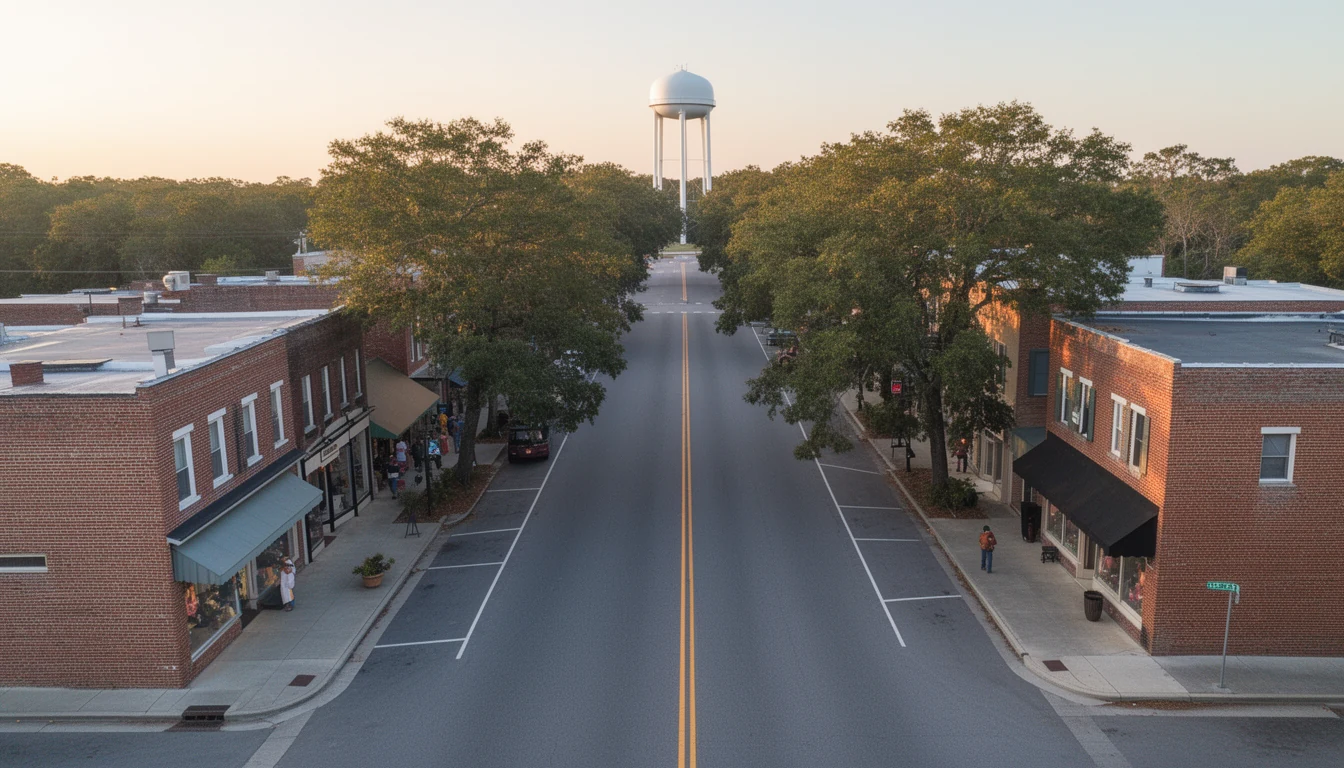
Greenville vs Winterville vs Ayden: A Buyer's Comparison
Greenville, Winterville and Ayden trade drive time, house age and taxes differently. A working comparison of what each town asks of a Pitt County buyer.
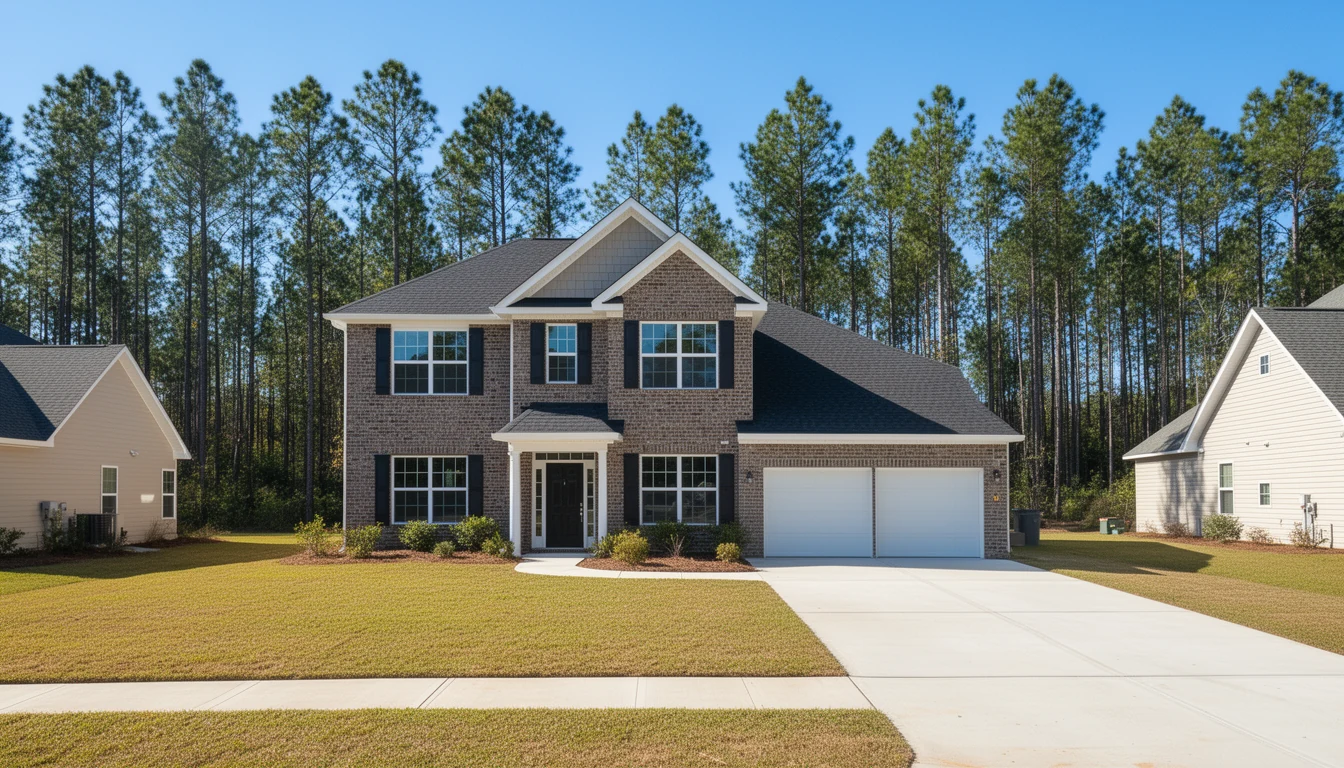
7 Builder Contract Clauses Pitt Buyers Should Never Skip
A builder's contract isn't the standard NC resale form. Seven clauses Pitt County buyers should read closely before signing in Winterville or Greenville.
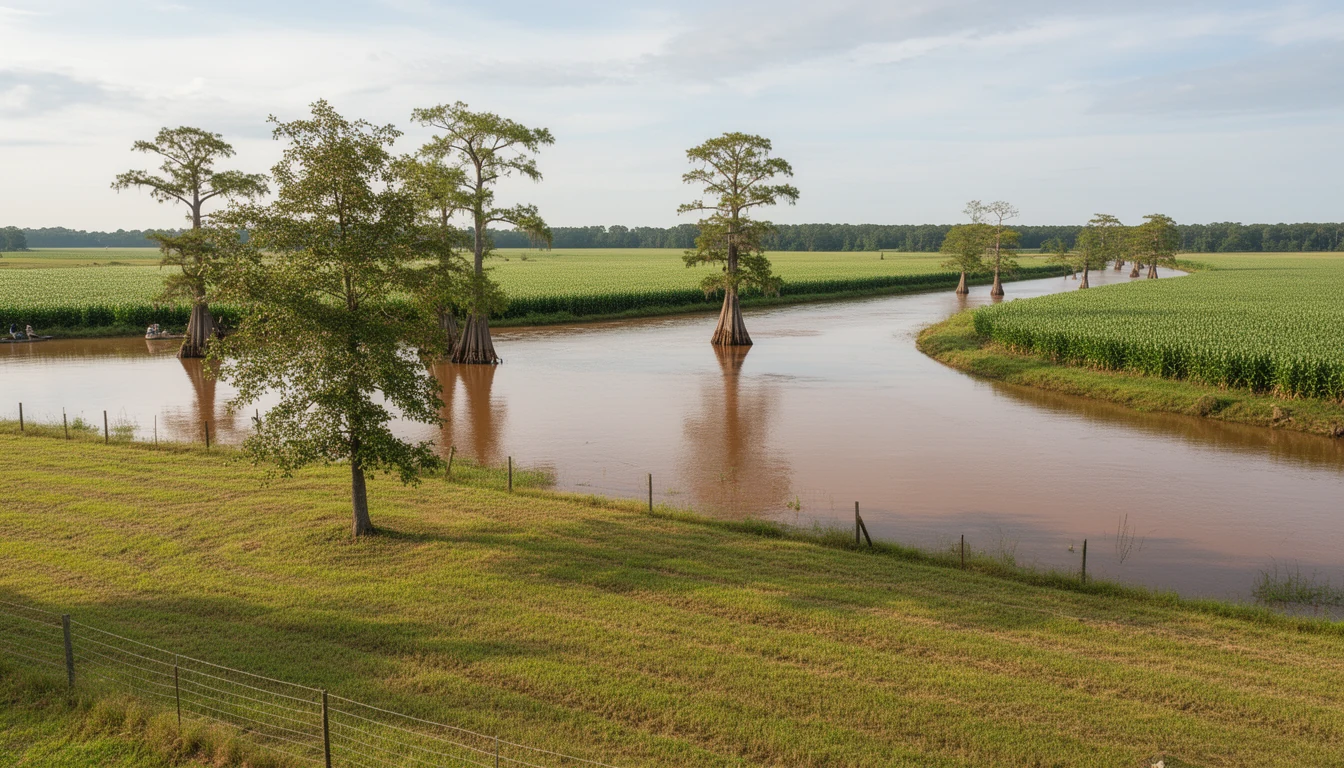
The Floyd Buyout Map: Where Pitt County Can't Build
Hurricane Floyd drove the Tar River to a record 29.72 feet at Greenville. The buyouts that followed still decide which Pitt County land can be built on.