
Farmville Historic Homes

In this post
Farmville’s historic district — built up largely between 1905 and 1929 around the town’s tobacco warehouses — is one of the best-preserved records of Pitt County’s early economy, and it’s also a genuinely livable, walkable neighborhood with real housing stock for sale. But buying inside a National Register historic district raises questions first-time buyers rarely think to ask, and the answers matter before you write an offer, not after.
National Register status doesn’t work the way people assume
A common misconception is that National Register listing restricts what an individual owner can do to their own property. In most cases, it doesn’t. National Register designation is primarily an honorific and eligibility status — it documents a district’s historical significance and can open the door to tax incentives, but by itself it typically does not impose design review or approval requirements on a private owner the way a local historic district ordinance would. Whether Farmville has adopted its own local historic district ordinance with additional design controls is a separate question from National Register status, and it’s one you should confirm directly with the town before assuming either way.
The building stock is genuinely old
Many of the homes in and around the district date to the early twentieth century or earlier, which means original systems have usually been replaced at least once, sometimes more than once, sometimes not at all. Knob-and-tube wiring remnants, older plumbing materials, and settling foundations show up more often here than in a subdivision built in the last twenty years. None of that should scare a buyer off — plenty of these homes have been well maintained or already updated — but it changes what your inspection should focus on. A general home inspection is a starting point; for a home this age, it’s worth budgeting for a more targeted look at the electrical panel and wiring, the plumbing supply lines, and the foundation specifically.
Insurance takes more legwork
Older homes, and particularly former commercial or mixed-use structures near the warehouse core, can be harder to insure through a standard carrier and may require a company that specializes in historic or older-home coverage. Get a real insurance quote during your due diligence period, not after closing — a surprising insurance cost or a hard decline can change the economics of a purchase, and due diligence is the window where you still have room to walk away or renegotiate.
Financing can be more particular than a typical resale
Conventional and FHA financing both work on historic homes, but appraisers and underwriters pay closer attention to condition and to any non-residential history a building might have, which can slow down or complicate a file compared to a straightforward suburban resale. If the home needs work, a renovation loan product that finances the purchase and repairs together is worth discussing with your lender up front rather than after you’re already under contract.
Tax credits are real, but they come with conditions
North Carolina’s historic rehabilitation tax credit can make a significant renovation meaningfully more affordable, but it comes with real requirements around how the work is done and documented — this isn’t a credit you back into after the fact. If a tax credit is part of your financial plan for the purchase, that needs to shape your renovation approach from day one. See Pitt Historic Tax Credits for how the program actually works.
None of this is a reason to avoid Farmville’s historic district — it’s one of the more distinctive, walkable places to buy a home in the county, and the housing stock reflects a level of craftsmanship you won’t find in newer construction. It’s a reason to go in with a realistic sense of what due diligence should actually cover.
Keep reading
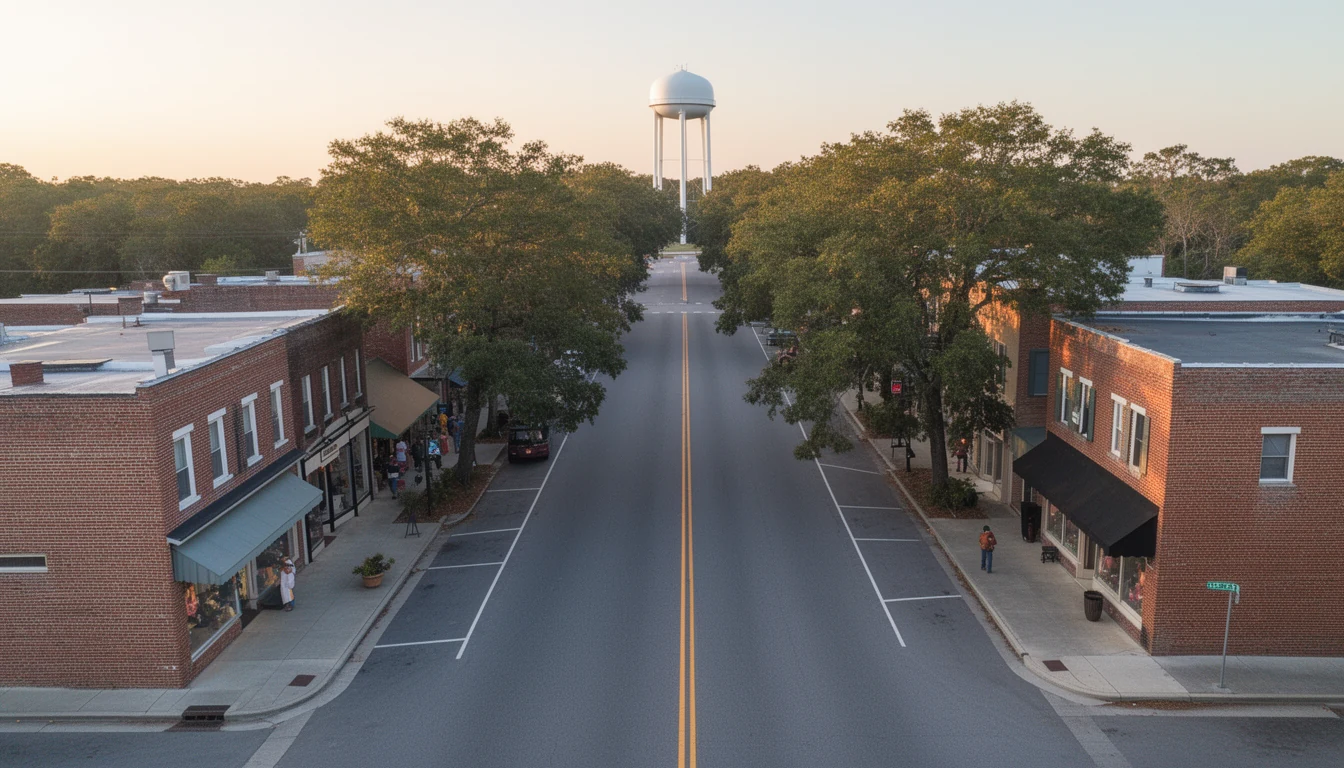
Greenville vs Winterville vs Ayden: A Buyer's Comparison
Greenville, Winterville and Ayden trade drive time, house age and taxes differently. A working comparison of what each town asks of a Pitt County buyer.
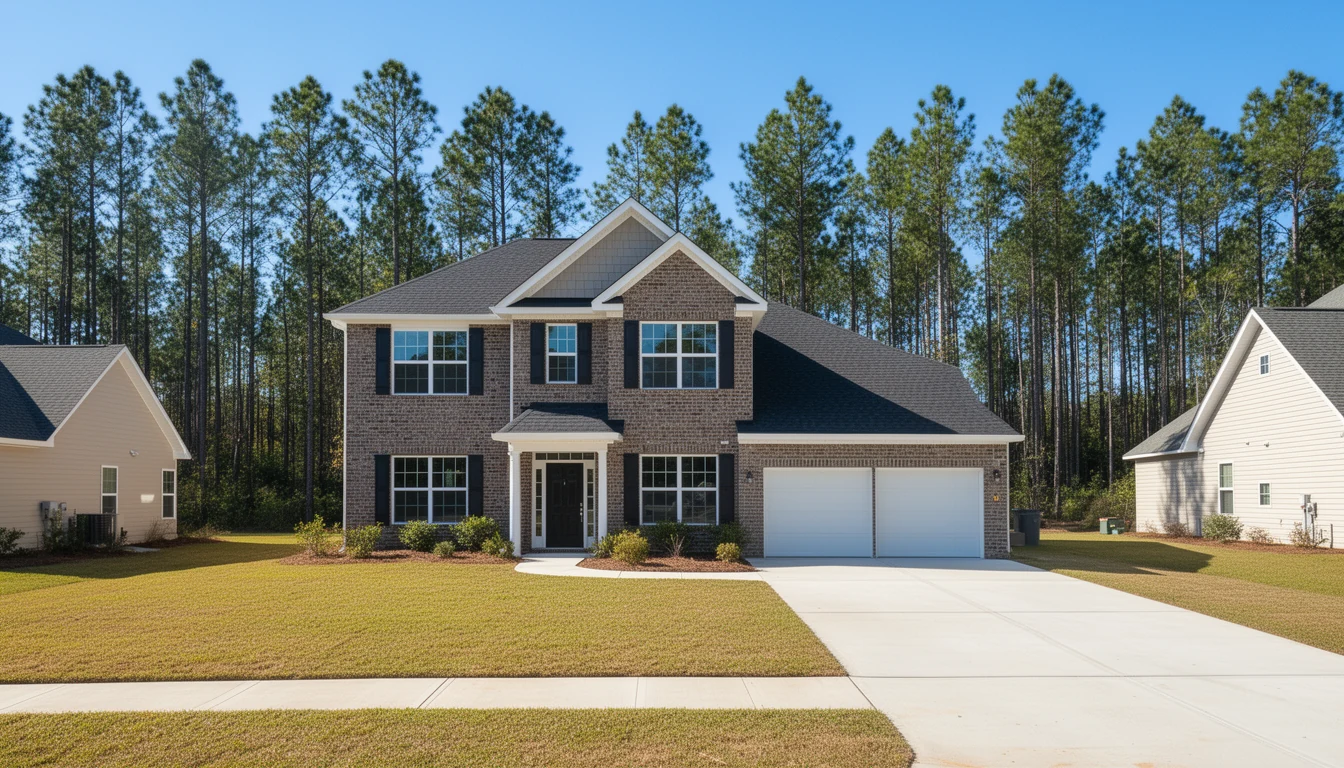
7 Builder Contract Clauses Pitt Buyers Should Never Skip
A builder's contract isn't the standard NC resale form. Seven clauses Pitt County buyers should read closely before signing in Winterville or Greenville.
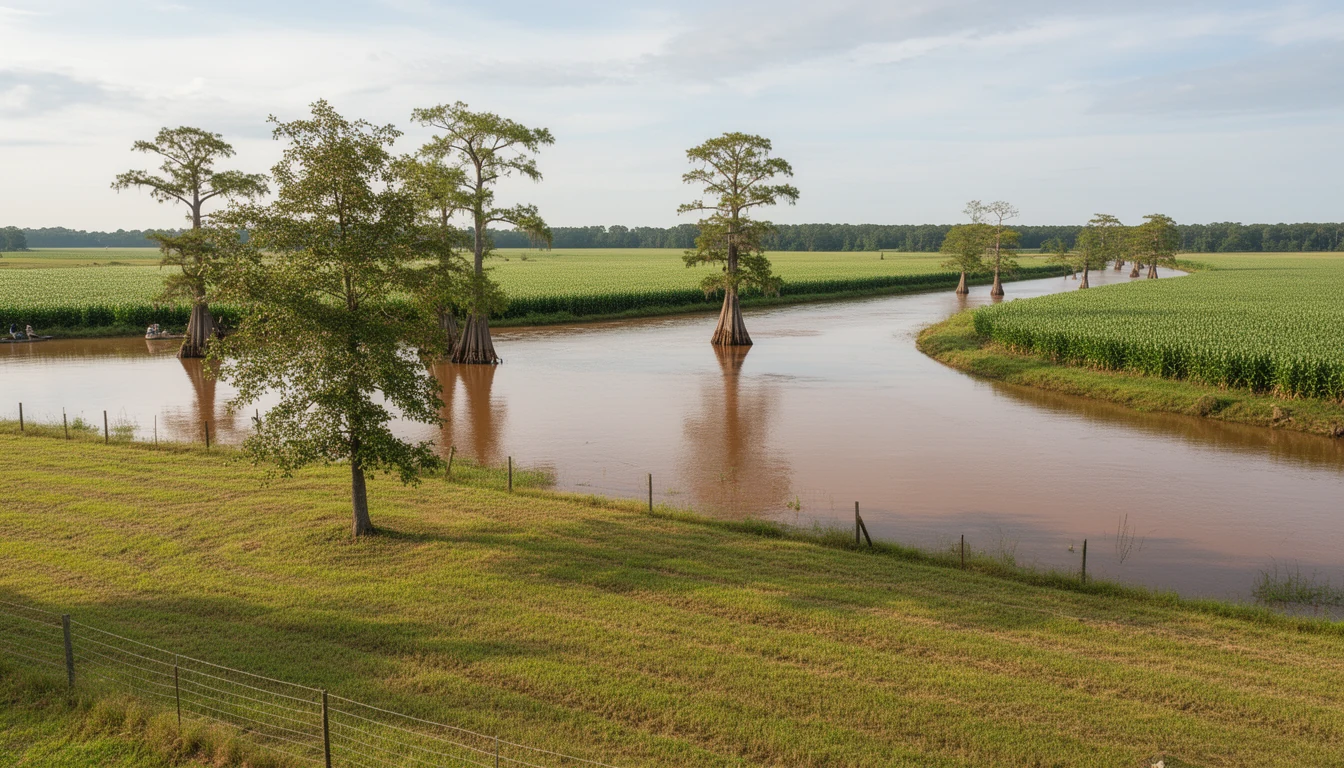
The Floyd Buyout Map: Where Pitt County Can't Build
Hurricane Floyd drove the Tar River to a record 29.72 feet at Greenville. The buyouts that followed still decide which Pitt County land can be built on.