Rent or Buy in a College Town


In this post
New arrivals to Greenville — especially those coming for a job at ECU or ECU Health — almost always ask the same question in the first month: should I just rent for a while, or buy right away? There’s no universal answer, but there is a reasonably clear framework for working through it, and it has less to do with the market and more to do with your own situation than most people expect.
Start with your actual time horizon
Buying carries real transaction costs on both ends — closing costs going in, and selling costs coming out — that renting doesn’t. Those costs get spread over however long you own the home, which means the math genuinely favors buying more the longer you expect to stay, and genuinely favors renting more the shorter your expected stay. If you’re on a two-year fellowship or a probationary contract with real uncertainty about renewal, that’s a very different calculation than a tenure-track hire or a hospital staff position you expect to hold for a decade. Be honest with yourself about how long you actually expect to be in Greenville — not how long you hope to be.
Job stability is part of the math, not separate from it
ECU and ECU Health are both large, stable institutional employers, which is a real point in favor of buying relative to a job at a smaller or less stable employer — you’re less likely to need to sell on short notice. But “stable employer” isn’t the same as “stable position.” Junior faculty without tenure, residents and fellows still rotating through training, and staff in newly created roles all carry more personal uncertainty than the institution’s overall stability would suggest. Weigh your own position, not just the employer’s reputation.
Renting buys you information
One underrated argument for renting first, even for buyers who are fairly confident they’ll stay long-term: it gives you real information about the city before you commit to a specific neighborhood. A semester or a year of renting tells you things a house-hunting trip can’t — how the commute actually feels at 7:30 on a weekday, which parts of town you gravitate toward, whether the noise near campus bothers you more than you expected. If you’re not in a rush and you’re not certain about location, a short rental period is a reasonable, low-cost way to de-risk a purchase decision rather than a wasted year.
Watch the rental market’s own rhythm
Greenville’s rental market has a pronounced seasonal pattern tied to the academic calendar — inventory and pricing both shift noticeably around the start of the fall semester, when student and staff demand peaks at once. If renting is part of your plan even temporarily, timing your lease search around that cycle rather than against it will save you both money and stress. The specifics of that cycle — and how it interacts with a buy decision on the other side — are covered in more depth in the related chapter linked below.
A simple gut check
If you can answer “yes” to most of these, buying is probably the stronger move: you expect to stay at least three to five years, your position feels secure rather than provisional, you already have a strong sense of which part of the county fits your commute and lifestyle, and you’re not counting on being able to sell quickly if your plans change. If several of those don’t hold, renting for a year first isn’t a failure to commit — it’s often the more disciplined choice.
Keep reading

Greenville vs Winterville vs Ayden: A Buyer's Comparison
Greenville, Winterville and Ayden trade drive time, house age and taxes differently. A working comparison of what each town asks of a Pitt County buyer.
7 Builder Contract Clauses Pitt Buyers Should Never Skip
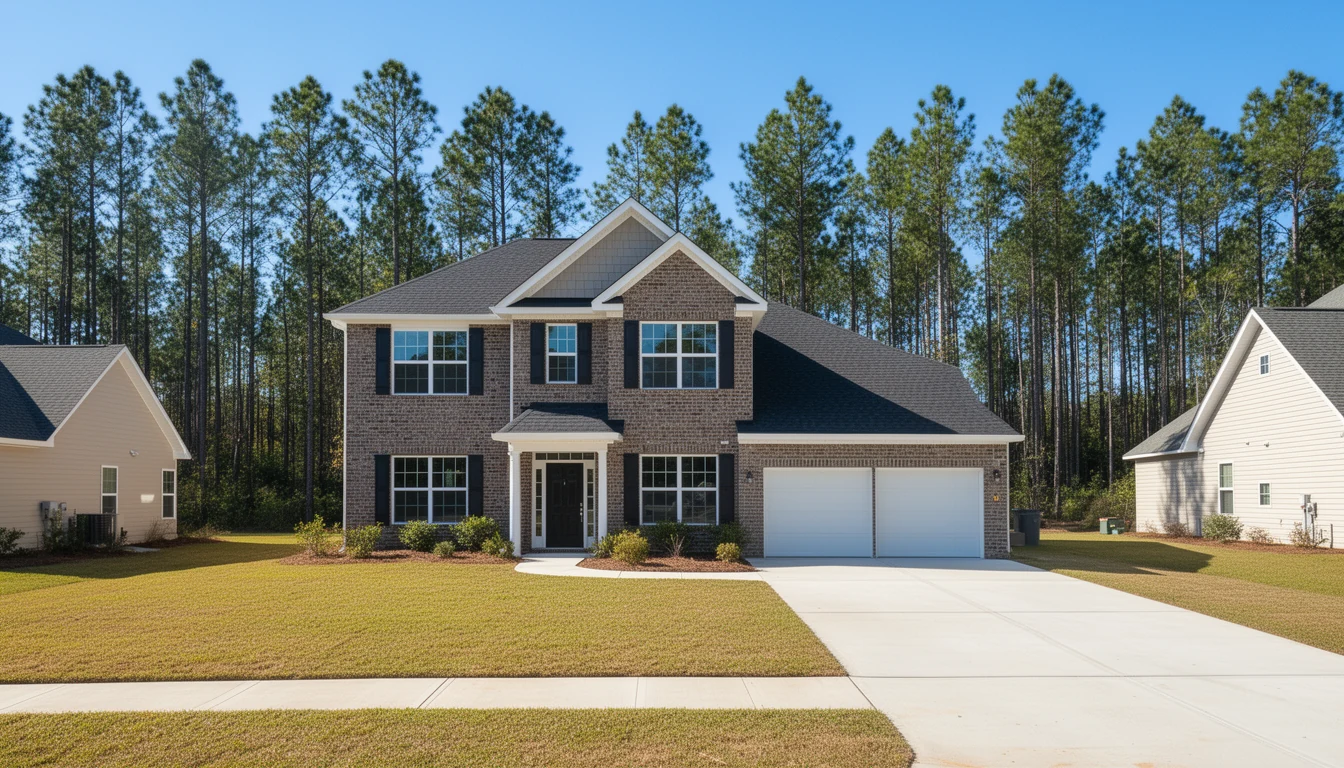
A builder's contract isn't the standard NC resale form. Seven clauses Pitt County buyers should read closely before signing in Winterville or Greenville.

The Floyd Buyout Map: Where Pitt County Can't Build
Hurricane Floyd drove the Tar River to a record 29.72 feet at Greenville. The buyouts that followed still decide which Pitt County land can be built on.