
Winterville New Construction

In this post
Winterville, just south of Greenville, is the fastest-growing town in Pitt County, and most of that growth shows up as new subdivisions with houses that haven’t been lived in yet. For a first-time buyer, that’s genuinely appealing — no prior owner’s deferred maintenance, modern systems, and a builder’s warranty behind you. But a new-construction purchase works differently from a resale purchase in ways that catch first-timers off guard, and those differences matter more than the finish selections everyone focuses on.
It’s not the standard NC offer to purchase
Most resale transactions in North Carolina run on the standard offer-to-purchase-and-contract form real estate agents use across the state, with a due diligence period and due diligence fee that are broadly familiar to buyers who’ve done any research at all. Builders typically use their own contract, drafted by their own attorney, and it can differ meaningfully on issues like what happens if the build finishes late, what your remedies are if you want out, and how deposits are handled and refunded. Read it as its own document — don’t assume it works like the standard form just because both are called a “purchase contract.”
The builder’s preferred lender isn’t automatically the wrong choice — but shop anyway
Builders frequently offer an incentive — a rate buydown, closing cost credit, or design-center allowance — tied to using their preferred or in-house lender. That can be a genuinely good deal, but it’s only a good deal if you compare it against what an outside lender would actually offer you on rate, fees, and terms. Get a second quote before you decide, even if you end up going with the builder’s lender in the end. The incentive is real leverage; just make sure you’re using it, not assuming it.
Due diligence looks different when the house doesn’t exist yet
On a resale home, due diligence centers on inspecting a finished structure. On a new build, especially one purchased before or during construction, due diligence is as much about the builder as it is about the house — their track record, how they’ve handled warranty claims on prior homes in the same subdivision, and what’s actually included versus what’s an upgrade. An independent inspection at the pre-drywall stage and again at completion is worth the cost even on a brand-new home; builders are not immune to workmanship issues, and pre-drywall is the only point where certain framing and mechanical work is fully visible.
The walk-through and the punch list
Before closing, you’ll do a final walk-through and generate a punch list — the formal list of items the builder agrees to fix or complete. Get it in writing, get a completion timeline attached to it, and understand what leverage you have if items aren’t finished by closing (sometimes a holdback of funds, sometimes just a promise — know which one you’re getting before you sign anything).
HOA due diligence still applies
New subdivisions almost always come with a homeowners association, and in a growing town like Winterville, that HOA may still be developer-controlled rather than fully turned over to homeowners. Review the covenants, current dues, and any planned special assessments before you’re under contract, not after.
Keep reading
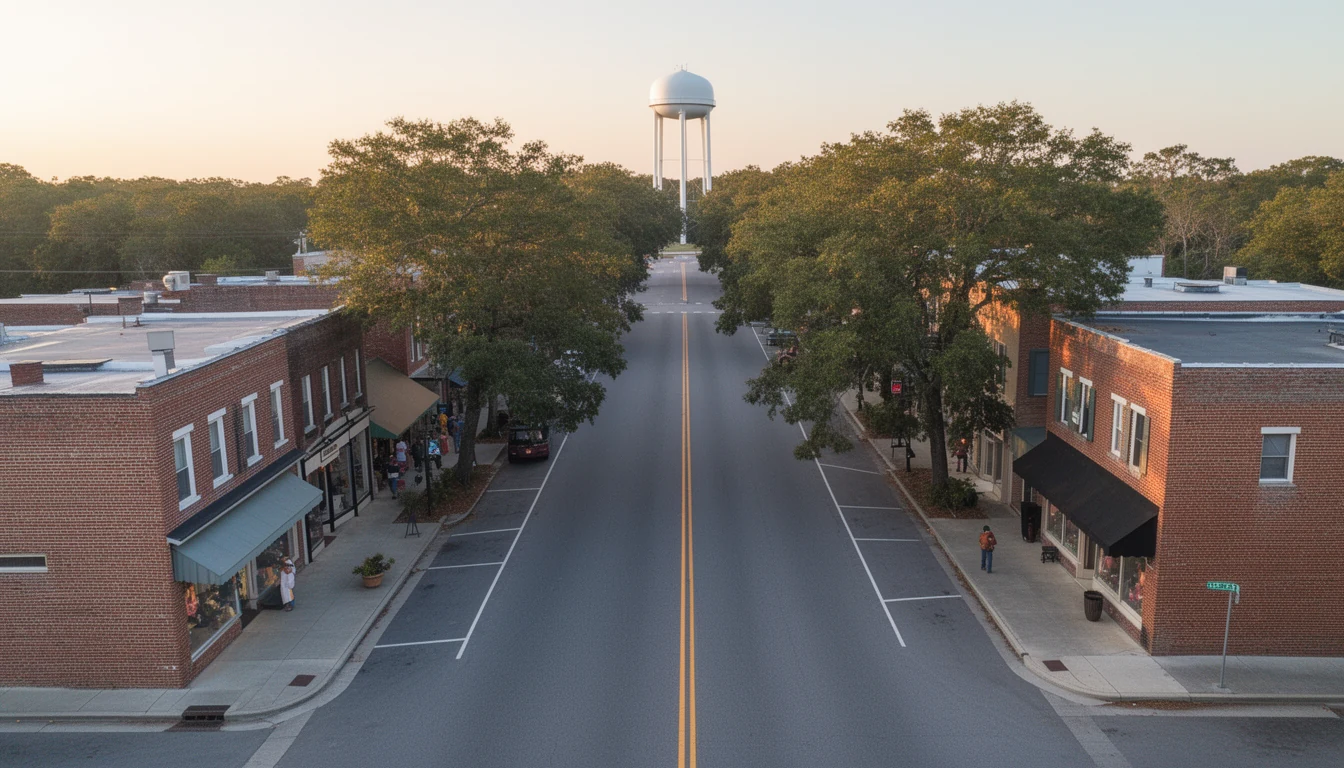
Greenville vs Winterville vs Ayden: A Buyer's Comparison
Greenville, Winterville and Ayden trade drive time, house age and taxes differently. A working comparison of what each town asks of a Pitt County buyer.
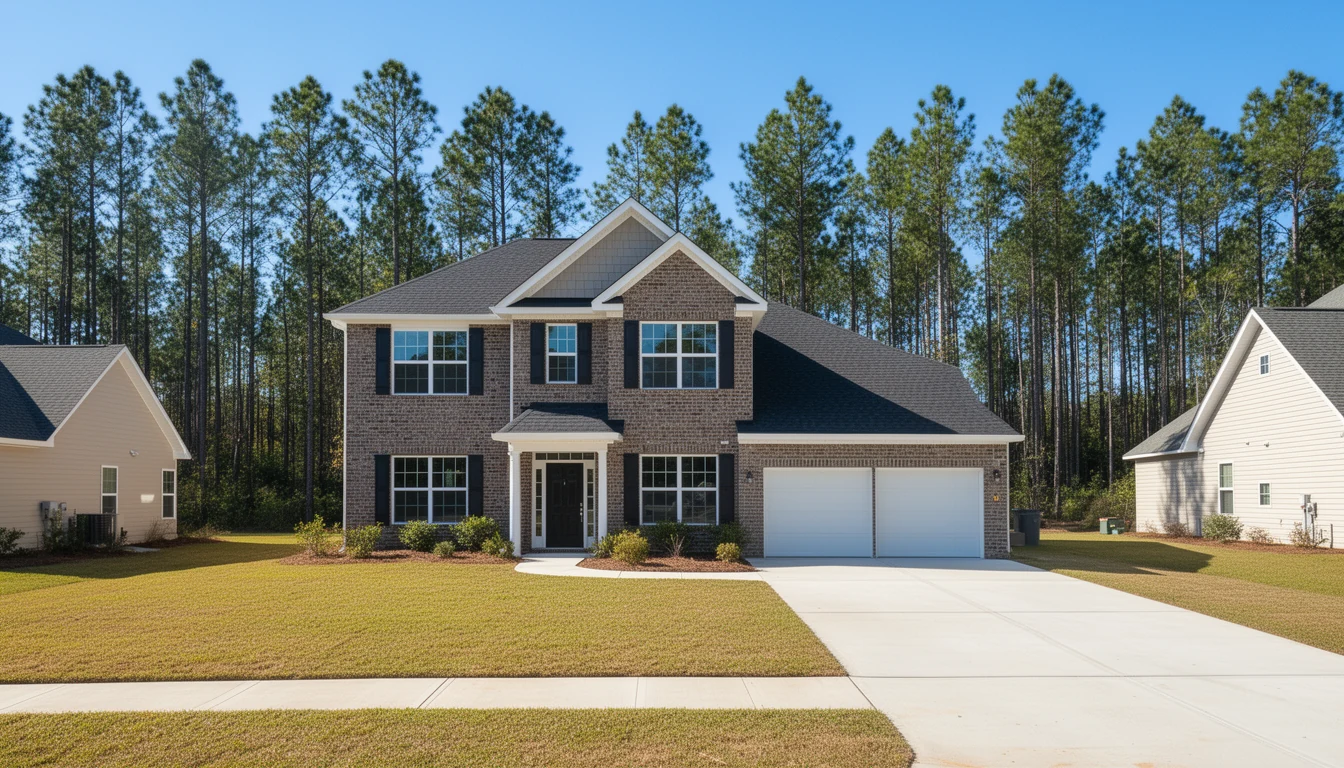
7 Builder Contract Clauses Pitt Buyers Should Never Skip
A builder's contract isn't the standard NC resale form. Seven clauses Pitt County buyers should read closely before signing in Winterville or Greenville.
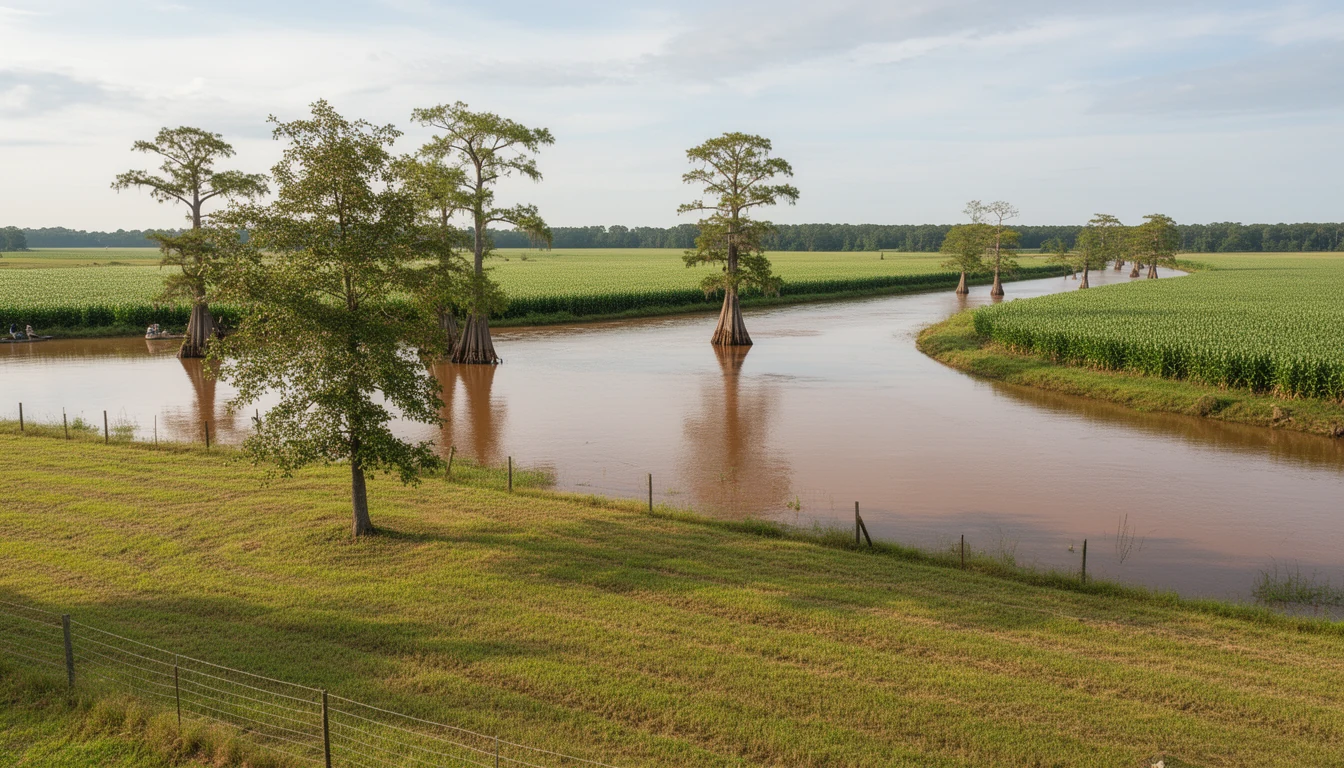
The Floyd Buyout Map: Where Pitt County Can't Build
Hurricane Floyd drove the Tar River to a record 29.72 feet at Greenville. The buyouts that followed still decide which Pitt County land can be built on.