
7 Builder Contract Clauses Pitt Buyers Should Never Skip

In this post
7 Builder Contract Clauses Pitt Buyers Should Never Skip
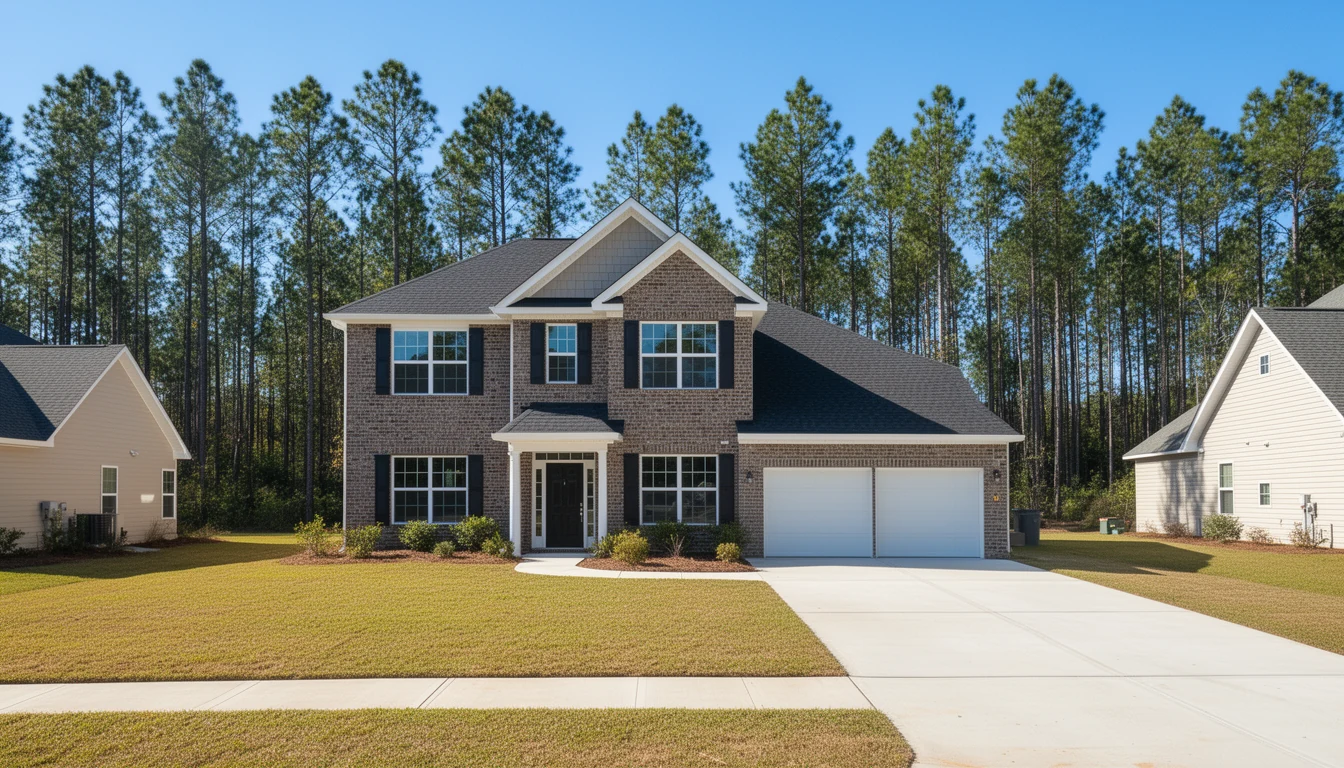
Sit at the counter in a model home in Winterville on a Saturday and the sales rep will slide a thick document across the quartz. Fresh paint on the walls, new carpet underfoot, coffee going in the corner. It is not the form your agent prints to write an offer on a resale house. It belongs to the builder, and it sets its own rules.
That part isn’t a red flag on its own. Production builders work from their own contracts, their own timelines, and their own warranties. But a builder’s contract is written to protect the builder. Most of what catches a Pitt County buyer off guard is sitting in plain sight in the middle of the packet. Here are the seven clauses I walk through with buyers before they sign anything.
1. The completion date is an estimate
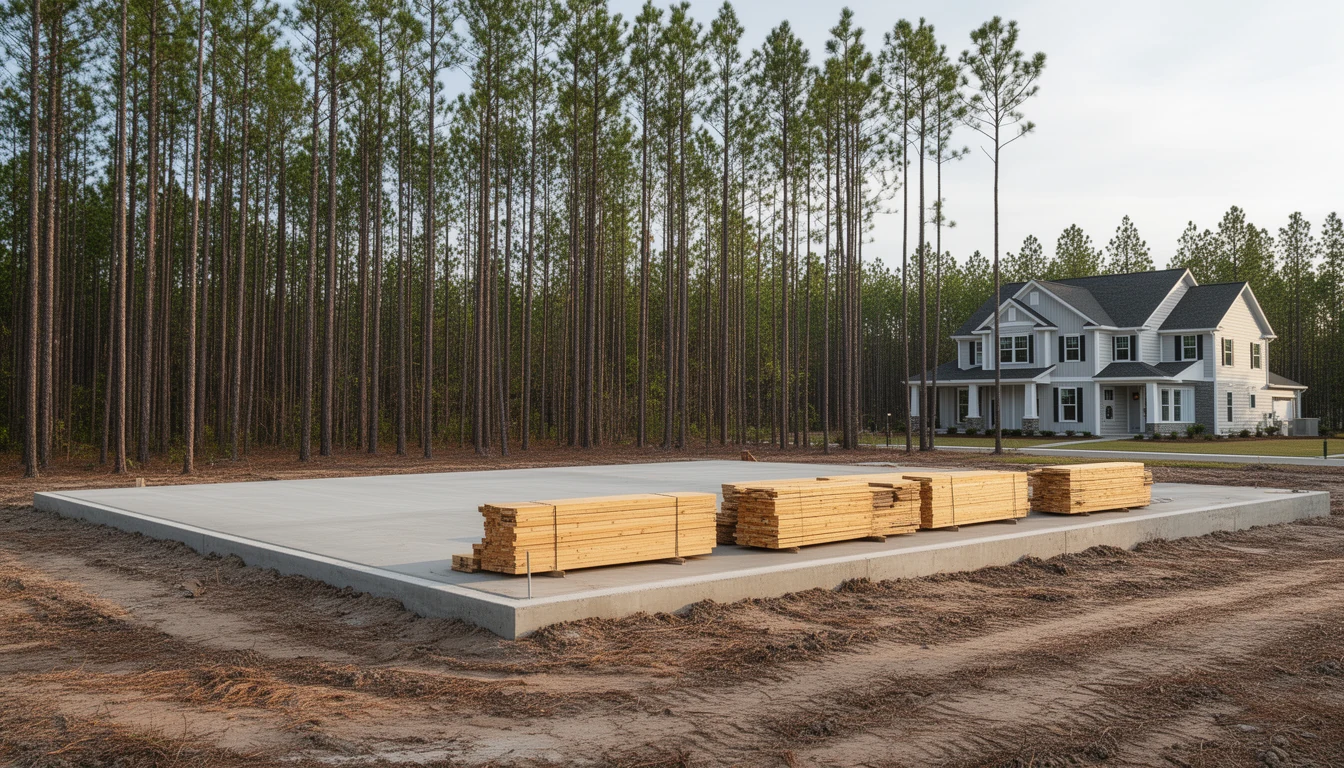
A resale contract carries a defined closing date. A builder’s contract carries an estimated one. Weather, material availability, and permitting can all push a to-be-built home’s date, and the contract is usually written to give the builder room to move it.
If you have a lease ending or a start date at ECU Health, treat the quoted date as approximate. Ask the sales rep two questions: what happens if the date slips, and is there any remedy on your side if it does. Often the answer is no.
2. The change-order clause
Builders sell a base house, then walk you through a design center for finishes, structural options, and upgrades. That process runs on the builder’s clock. Miss a selection deadline and the builder either picks a standard finish for you or charges a premium to reopen the order.
A change order after signing usually carries two costs: a price and a delay. Read the deadline and the fee schedule before you fall for a specific countertop. The paperwork moves faster than the excitement does.
3. The allowance clause
“Included” in a builder’s package often means an allowance: a dollar figure for flooring, tile, lighting, or landscaping that you spend at the design center. Stay under it and you pay nothing more. Go over, which is easy once you start pricing real tile, and every dollar above the line lands on your number.
Ask for the allowance sheet in writing. Then price the finishes you actually want, not just the ones set out in the model.
4. The price-escalation clause
Some builder contracts let the builder pass along increases in material or labor costs between signing and closing. In a steady market that clause sits quiet. In a market where lumber and labor move, it can change your price after you have already agreed to one.
If your contract has an escalation clause, ask whether it has a cap, and get the answer in writing.
5. The preferred-lender clause
Builders often tie closing-cost credits or a rate incentive to using their affiliated lender. The credit is real money and worth weighing. So is the loan you would get on your own.
I’m not a mortgage professional and I don’t play one. Ask each lender for a Loan Estimate and compare them line by line, putting the incentive into the math on both sides. Sometimes the builder’s lender wins. Sometimes it doesn’t.
6. The warranty clause
A new home usually comes with layered coverage: a shorter workmanship warranty on materials and finishes, and a longer structural warranty behind it. The terms, the exclusions, and even the meaning of “structural” vary by builder and by the warranty program the builder uses.
Ask for the written warranty document, not a summary from the sales office. Then ask who actually handles a claim, the builder or a third-party warranty administrator, and how a claim gets filed. A warranty is only worth what the claims process makes it worth.
7. The HOA and restrictive-covenant clause
Most new subdivisions in the Winterville corridor come with a homeowners association. In a young subdivision the builder still controls the board, and that holds until turnover to a homeowner-elected board. Under North Carolina’s Planned Community Act, the developer keeps that control for a set period while the community is still being built.
The recorded covenants can include rental restrictions, fence and parking rules, and architectural review. Ask for three things: projected dues at full build-out rather than just today’s number, the recorded covenants themselves rather than a summary, and the date the board turns over.
Read the arbitration clause too
One more piece of fine print does not get its own number, and it is the one I would not skip. Many builder contracts send disputes to binding arbitration instead of court. That is a choice you make when you sign, and it is hard to undo later. Read it, and if you want help understanding it, that is a good place to bring in an attorney.
The honest trade-off
None of this makes new construction the wrong call. A new home puts its systems under a warranty, gives you a say in the finishes, and hands you a house nobody else has slept in. A resale home gives you a finished street, mature trees, a known HOA budget, and a house whose quirks you can see before you buy.
The difference is not safer against riskier. It is a different list of things to check, and the checks happen before you sign rather than after an inspection period.
Winterville is where most of that activity sits. It runs about 10,500 people and is the fastest-growing town in the Greenville suburbs, next to a city of about 91,000. Builder contracts are simply part of buying here. Read them like they matter, because they do.
Keep reading
Greenville vs Winterville vs Ayden: A Buyer's Comparison
Greenville, Winterville and Ayden trade drive time, house age and taxes differently. A working comparison of what each town asks of a Pitt County buyer.
The Floyd Buyout Map: Where Pitt County Can't Build
Hurricane Floyd drove the Tar River to a record 29.72 feet at Greenville. The buyouts that followed still decide which Pitt County land can be built on.

6 Red Flags on a Tar River Floodplain Listing
Six red flags to check before you make an offer on a Tar River floodplain property in Pitt County, from the FEMA map to flood insurance timing.