
Greenville vs Winterville vs Ayden: A Buyer's Comparison

In this post
A couple relocating for a job at ECU Health called me on a Sunday night in September. They had toured three houses that Saturday. One was off Evans Street in Greenville, one in a new subdivision in Winterville, one on a quiet block in Ayden with pecans dropping on the roof of a detached garage.
All three were in their budget. All three were fifteen minutes apart. They wanted me to tell them which town was best.
I told them the honest thing: there isn’t a best town, there’s a best trade. Greenville, Winterville and Ayden sell you three different versions of the same county, and the version that fits depends on which morning you can live with for the next ten years.
Here’s how I walk buyers through it.
Start with the number you’ll live with every day
Drive time is the first thing I check, because it’s the one cost that never goes away. Not the mileage on a listing site, the actual road.
Measured from the ECU main campus:
Winterville sits 6.7 miles from campus, about 13 minutes by road.
Ayden sits 10.8 miles out, about 19 minutes.
Farmville runs 14.6 miles, about 22 minutes.
Bethel is the furthest of the four at 15.2 miles, about 23 minutes.
Those are clean-weather, mid-morning numbers. They are not what you’ll drive at 7:45 on a school day, and they are not what you’ll drive on a football Saturday when everything south of the river slows to a crawl. Treat them as the floor, not the average.
What matters more than the minutes is the route. Winterville sits on NC-11 just south of Greenville, so the drive is short but crowded, and most of it is the same handful of intersections everyone else is using. Ayden is further out on the same highway, which sounds worse until you realize you clear the congestion and then actually move. That’s the trade in one sentence: Winterville buys proximity, Ayden buys a cleaner drive for a few more miles.
Then look at what the houses are
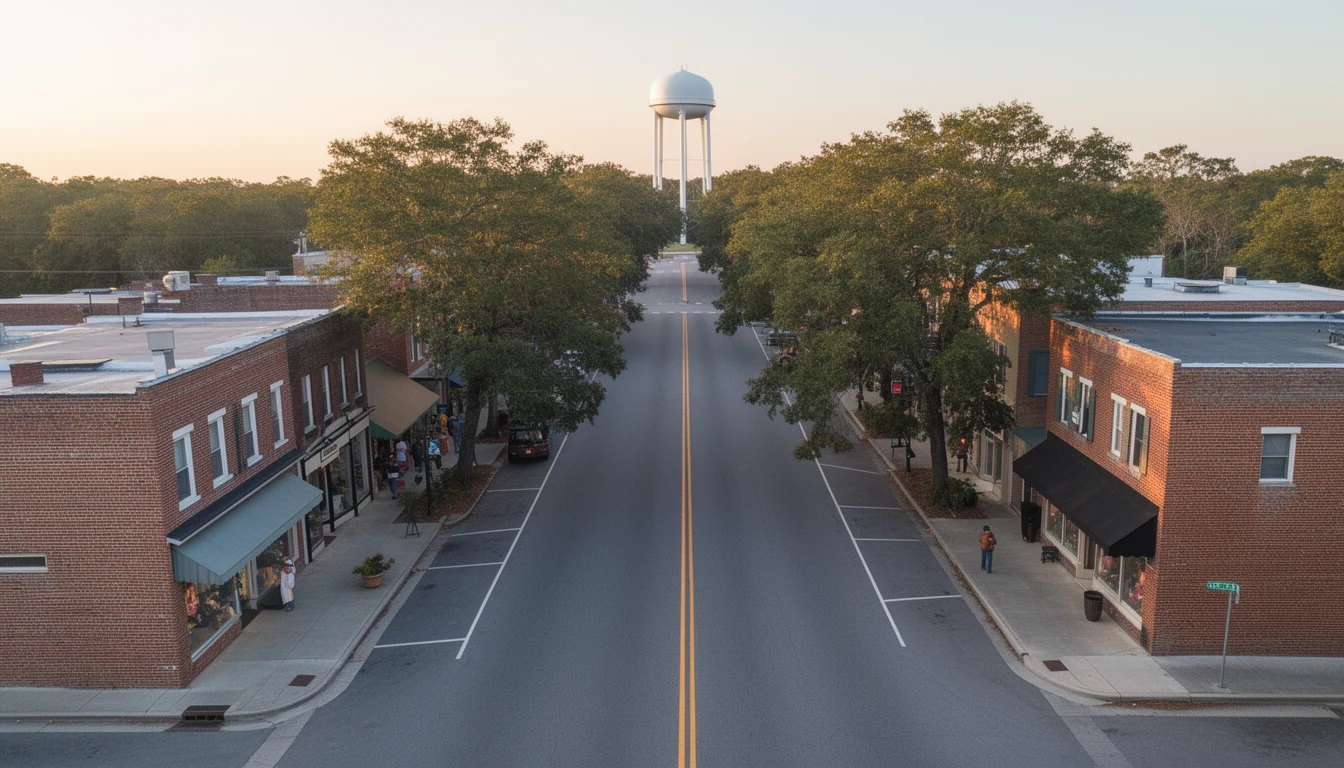
Greenville is the county seat and the region’s job center, with a population around 90,000. Its close-in neighborhoods were built out decades ago, so the resale inventory inside the city tends to be older: brick ranches from the fifties and sixties and bungalows near downtown, plus a deep supply of rental housing on the streets around campus. If you want a house with mature trees and a five-minute drive to work, that inventory is mostly in Greenville.
Winterville, roughly 10,500 people, is where Greenville’s new construction went. There’s more raw land, so there are more subdivisions, and a large share of what’s for sale there has never had an owner. That means the builder’s own contract rather than the standard resale agreement, a design center appointment where upgrades get priced, and an HOA the builder still runs. The closing date is an estimate, not a promise.
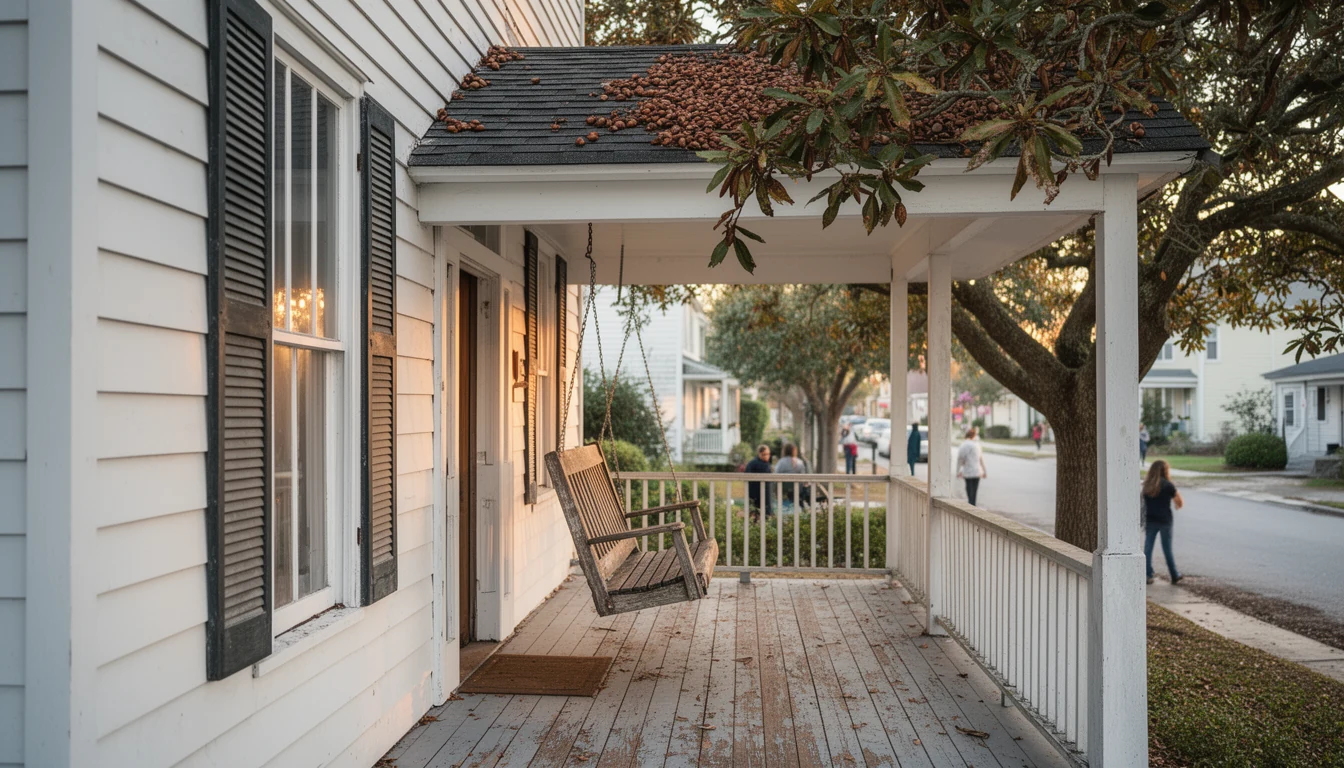
Ayden, roughly 5,000, grew around farming and the railroad, and its housing stock shows it. Lots are wider. Downtown is a few blocks you can walk. The houses are often pre-1950, which means deep porches and original trim, and also galvanized supply lines and electrical panels that predate modern code. Many sit on brick piers. You are not buying a warranty in Ayden. You are buying character and a repair budget.
The tax question is simpler than people expect
Every one of these addresses sits in Pitt County, so the countywide rate applies to all three. What changes is the municipal layer: Greenville, Winterville and Ayden each levy their own rate on top, and that money buys things you notice. City police rather than county sheriff response, and trash pickup you don’t have to contract yourself.
I don’t quote millage in a blog post, because town budgets change every year and a number that’s right in October can be wrong by July. Pull the current rate from Pitt County Tax Administration and the individual town’s budget document before you run your payment estimate, and use the rate for the exact address, not the town’s reputation.
The bigger tax surprise in this county isn’t the rate at all. It’s the revaluation cycle. If you buy in a year when assessments jump, your escrow payment moves with it, and buyers who budgeted off the seller’s last tax bill get a shock in year two.
Water, sewer, and the line that isn’t there
Inside Greenville and Winterville town limits, you’re generally on municipal water and sewer. Ayden has its own system too. Step outside the limits, even a few hundred feet, and that can change to a private well and septic system.
This trips up relocating buyers constantly, because a house can look like it’s in town and still be on a well. It isn’t a dealbreaker, but it changes your inspection list entirely: water quality testing, and a septic tank that gets pumped and inspected rather than glanced at. Call Pitt County Environmental Health for the permit record and the approved bedroom count. A septic system sized for a two-bedroom house that now has four bedrooms is a real problem, and it’s one you want to find in due diligence.
Schools: verify by address, not by listing
Pitt County Schools is one countywide district, and attendance zones are drawn by address, not by town name. That sounds obvious until you’re looking at a subdivision that straddles a line, or a rental listing that says “great schools” with no zone attached.
Two things I tell every buyer with kids. First, confirm the zone directly with Pitt County Schools using the street address before you write an offer. Second, drive the actual school route at the actual bell time. A house that’s eight minutes from your office can still be twenty-five minutes from the carpool line, and that’s the drive you’ll make every day for a decade.
The version of the county each town gives you
Winterville suits the buyer whose job is at ECU Health or on campus, who wants the shortest possible commute, and who doesn’t mind a crowded road to get it. You get a new house and new systems, and you accept an HOA and a builder who still runs it.
Ayden rewards the buyer who wants history on the walls and a walkable main street, and who will pay for a new roof and a rewire over the first five years. You get more house and more land for the money. Skylight Inn is a few minutes away, and the Collard Festival is a real town-wide event, not a marketing line. That’s the kind of place it is.
Greenville’s close-in streets give you the shortest commute of the three, mature neighborhoods, and a mix of older houses and townhomes. You also get more traffic, more rental turnover on some blocks, and a city that is actively reshaping its riverfront and downtown.
Farmville and Bethel sit further out on the same axis, at about 22 and 23 minutes from campus. They buy you a genuinely small town, and they cost you the convenience of a quick run to the store.
What I’d do before you pick
Drive your actual commute on a Tuesday at 7:40 a.m., not on a Saturday at noon. Check water and sewer for the specific parcel. Pull the septic permit if there is one. Ask the builder for the HOA dues projected at full build-out, not today’s number. Get an insurance quote before closing on anything built before 1970. Confirm the school zone by address.
Do those six things and the town usually picks itself. It did for that couple in September: they wanted the porch, took Ayden, and budgeted for the plumbing.
Give me a call if you want to run the numbers on a specific address in any of the three.
Keep reading
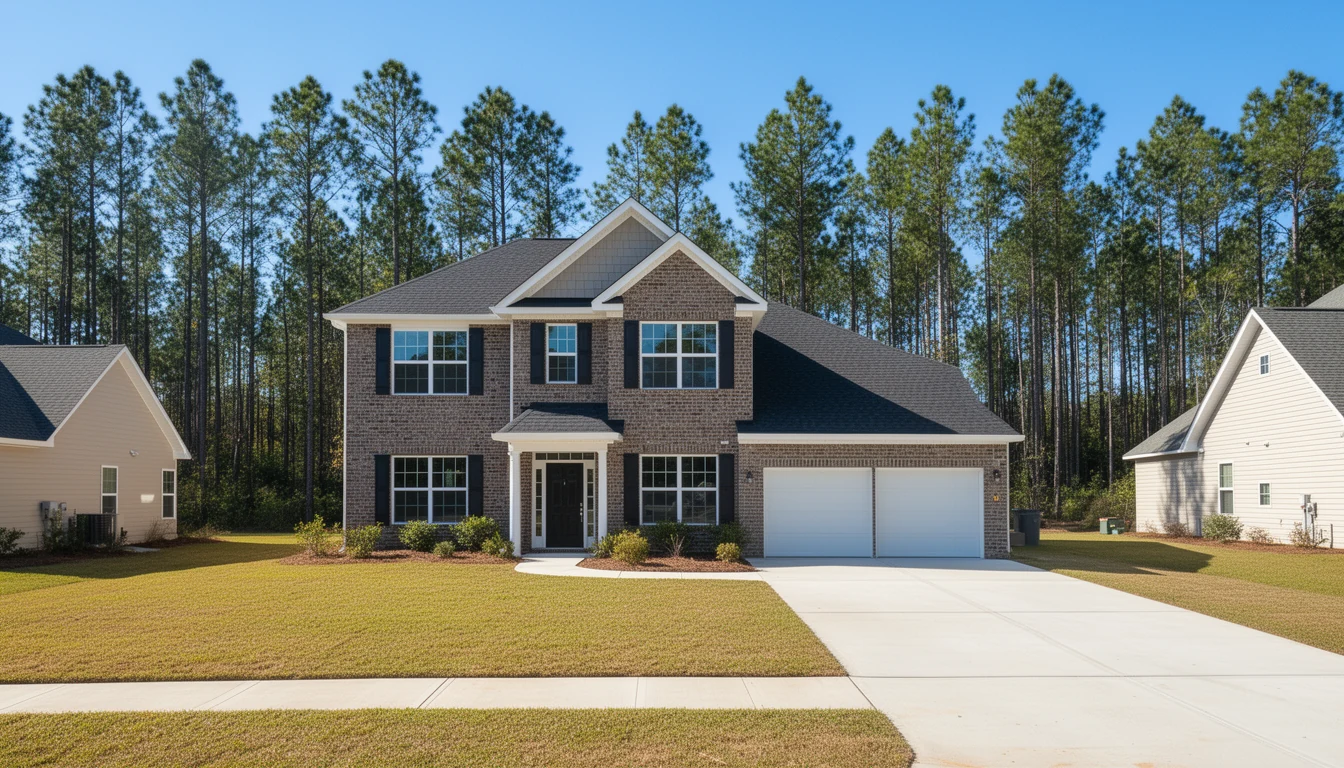
7 Builder Contract Clauses Pitt Buyers Should Never Skip
A builder's contract isn't the standard NC resale form. Seven clauses Pitt County buyers should read closely before signing in Winterville or Greenville.
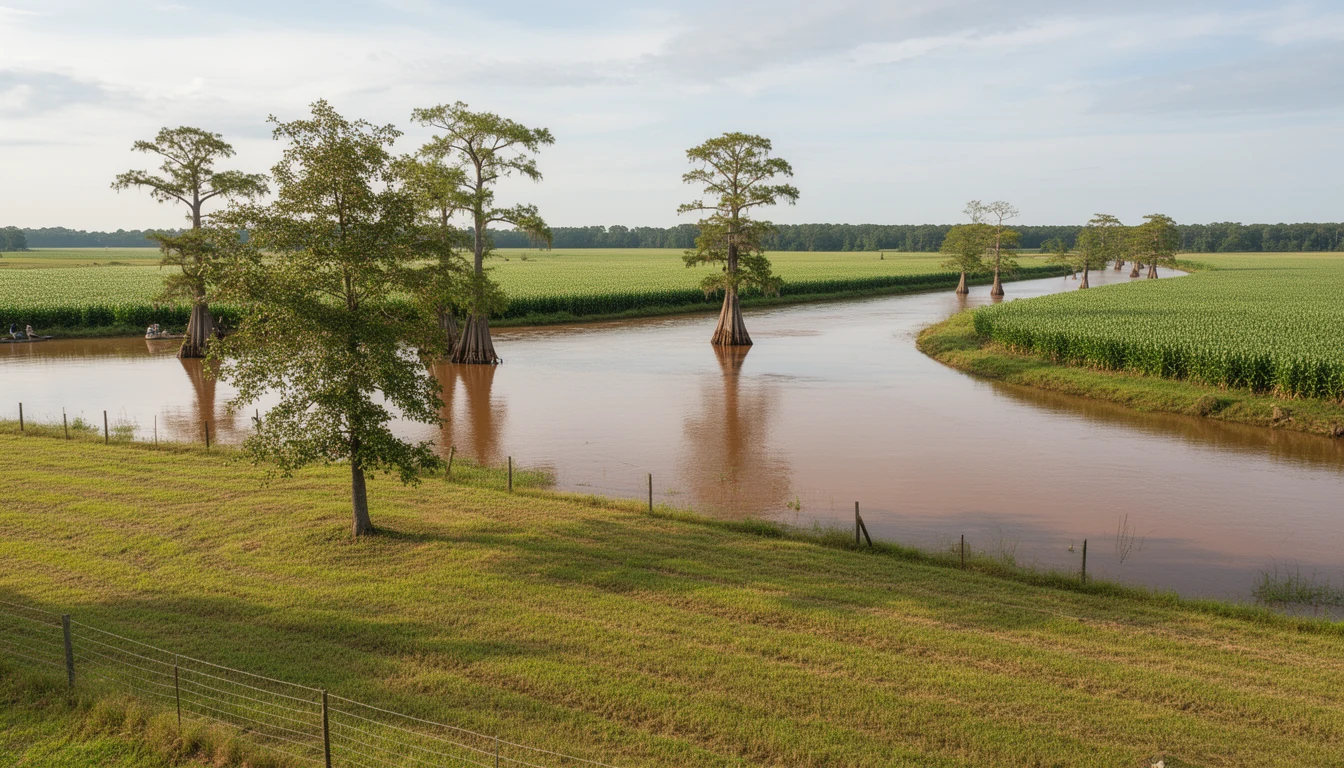
The Floyd Buyout Map: Where Pitt County Can't Build
Hurricane Floyd drove the Tar River to a record 29.72 feet at Greenville. The buyouts that followed still decide which Pitt County land can be built on.
6 Red Flags on a Tar River Floodplain Listing
Six red flags to check before you make an offer on a Tar River floodplain property in Pitt County, from the FEMA map to flood insurance timing.