
Relocating to Greenville, NC

In this post
Greenville runs on two employers, and once you understand that, most of what’s confusing about the city’s housing market starts to make sense. East Carolina University anchors the west side of downtown, with its academic core, athletics facilities, and the dense student housing that surrounds them. ECU Health Medical Center — the region’s major teaching hospital and referral center for eastern North Carolina — sits a few miles away, with its own orbit of medical offices, clinics, and staff housing demand. A new hire commuting between the two worlds isn’t unusual: nursing faculty who also carry hospital privileges, residents rotating through both campuses, administrative staff who split time. If you’re relocating for either employer, the first practical question isn’t “where should I live in Greenville” — it’s “which side of town will I actually be driving to most days.”
Where people actually land
There’s no single “ECU neighborhood” or “hospital neighborhood” the way some university towns have one obvious answer. Greenville’s growth has pushed newer housing stock outward in several directions at once, and a lot of relocating professionals end up looking outside city limits entirely — particularly in Winterville, just south of Greenville, which has absorbed a large share of the area’s new-construction growth over the past decade. Others prioritize an in-town location specifically to cut commute time to the medical center, since shift work and on-call schedules make a short drive genuinely valuable in a way it might not be for a typical nine-to-five. There isn’t a universally correct answer here — it depends heavily on which employer, which department, and what your actual daily schedule looks like once you start.
A realistic house-hunting trip
Most relocating buyers get one, maybe two trips to Greenville before they need to make a decision, and the biggest mistake is trying to see too much of the county in too little time. A tighter, better-prepared trip beats a longer, unfocused one. Before you fly or drive in, it’s worth narrowing your search to a specific handful of neighborhoods or subdivisions based on your actual commute pattern, getting pre-approved so you can move on a good listing without a financing delay, and blocking enough time to actually drive the commute yourself at a realistic hour — Greenville’s traffic patterns shift noticeably around the university’s academic calendar, and a Tuesday afternoon in July looks nothing like a Tuesday afternoon in September.
What nobody mentions about the fall
If your move coincides with ECU’s fall semester start, expect the town to feel different almost overnight. Traffic increases, rental housing that sat vacant over the summer fills back up, and restaurants and retail near campus get busier. It doesn’t meaningfully change home-buying strategy, but it’s worth knowing about so it doesn’t catch you off guard if your closing or move-in lands in August.
One note on timing
Contract timing around a new job — particularly when a hiring or medical residency match cycle affects your start date — is its own subject, with real implications for how you structure an offer’s closing date and financing contingencies. That’s specific enough that it deserves its own treatment rather than a paragraph here; it’s covered in depth in the related brief chapter linked below.
Keep reading
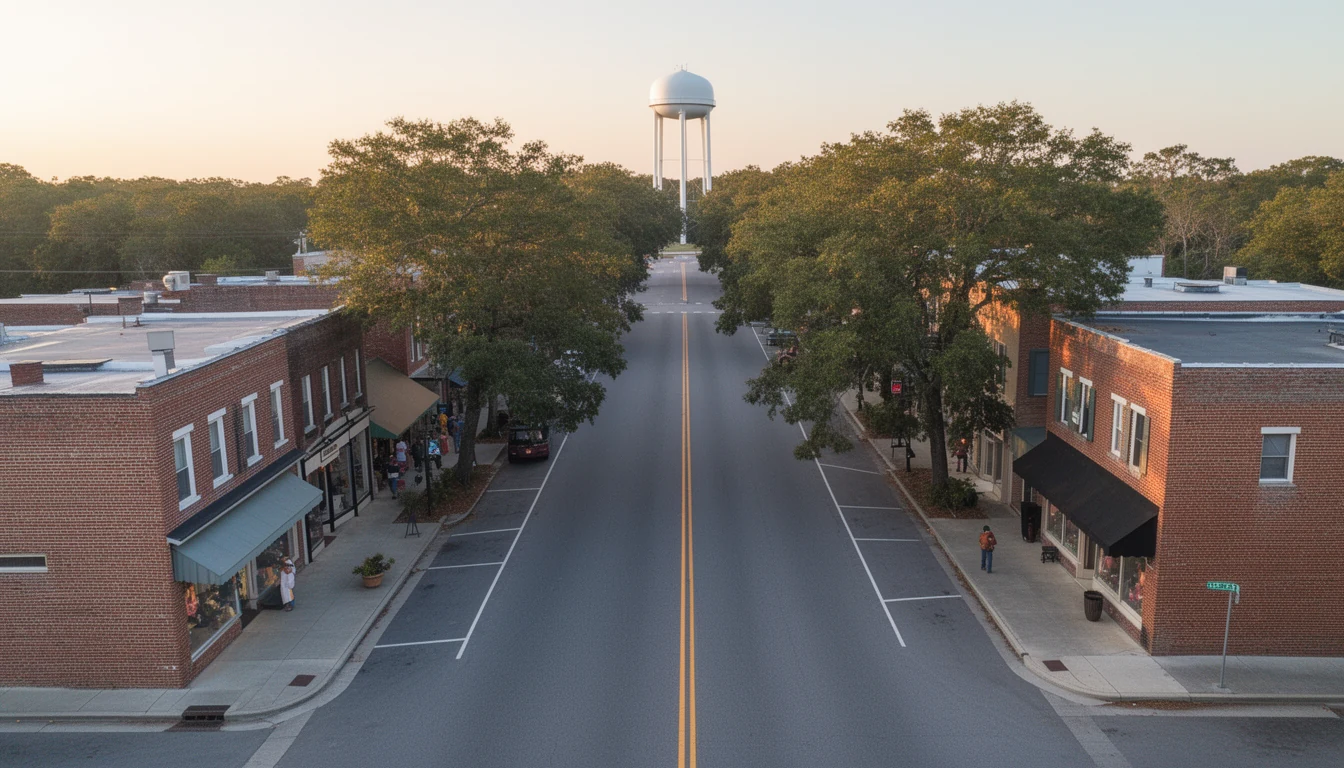
Greenville vs Winterville vs Ayden: A Buyer's Comparison
Greenville, Winterville and Ayden trade drive time, house age and taxes differently. A working comparison of what each town asks of a Pitt County buyer.
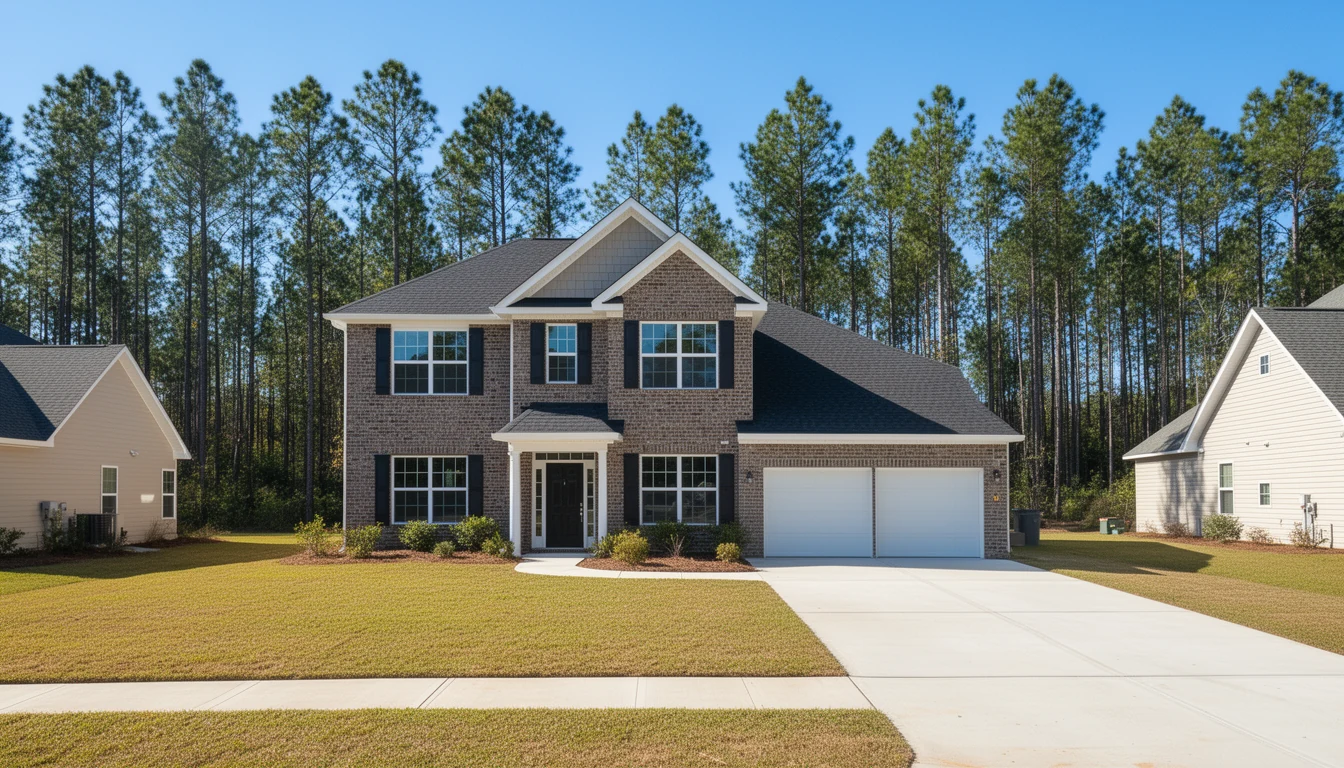
7 Builder Contract Clauses Pitt Buyers Should Never Skip
A builder's contract isn't the standard NC resale form. Seven clauses Pitt County buyers should read closely before signing in Winterville or Greenville.

The Floyd Buyout Map: Where Pitt County Can't Build
Hurricane Floyd drove the Tar River to a record 29.72 feet at Greenville. The buyouts that followed still decide which Pitt County land can be built on.